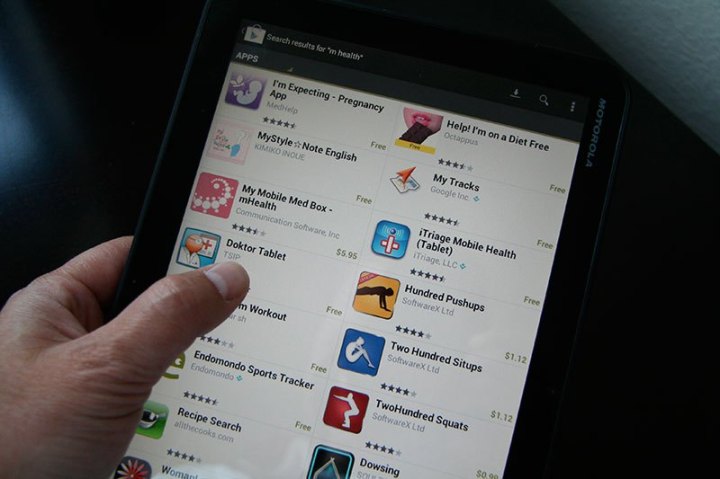
Technology moves a mile a minute, constantly improving its craft and innovating new ways to simplify usage. In the last decade or so, health care providers and industries have latched onto the idea of shifting how and where their medical decisions are determined, and how and when treatments are rendered to patients. As a result, there is an expected 70% of U.S. healthcare organizations that will be participating in remote-patient treatments. There are lots of beneficial aspects of this change, such as the reduction in cost.
As provided in the video, there has been an ample amount of apps on the rise that induce programs designed to collect real-time readings that can be evaluated and used to determine whether or not a patient needs to proceed with the further medical assistance.
Yes, the array of features these apps consist of may bring many benefits and reduce many costs in the healthcare industry for consumers and providers, but there are a few downsides to it.
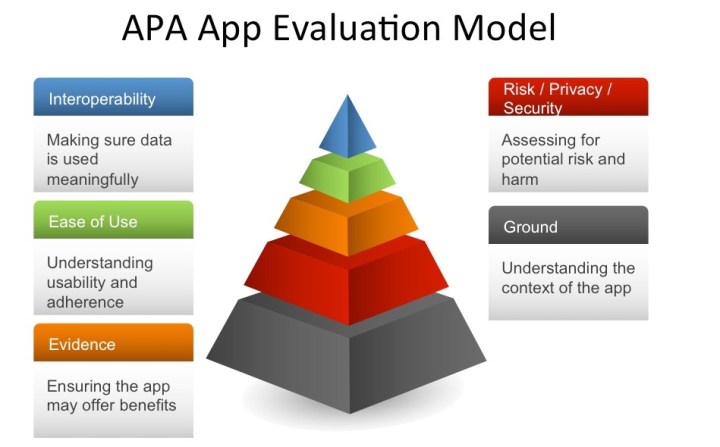
In the article: To App or Not to App: Psychiatrists Issue Landmark Guidelines, John Torous, MD, Chair of the APA Workgroup on Smartphone Evaluation has stated that “When it comes to health apps, there are more risks than meet the eye.” To my understanding, the reason for this is because these particular apps do not have to undergo any regulatory administrative policy or data approvals. This leaves patients at risk of receiving unapproved and possibly incorrect instructions or data. I do agree, remote healthcare is a great idea but there should be extra steps taken in order to assure the best service is rendered to patients. Torous is apart of the APA workgroup and has proposed an idea that both supports the trending apps and secures the confidential safety of patients as well as the best possible care. Here is a quick look at that model:
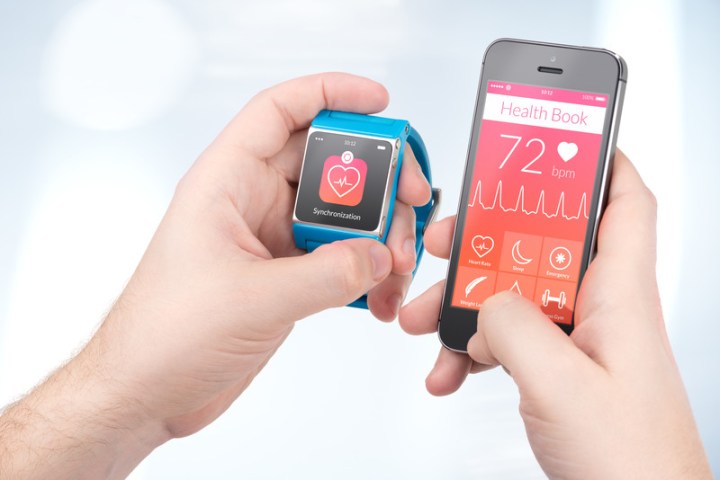
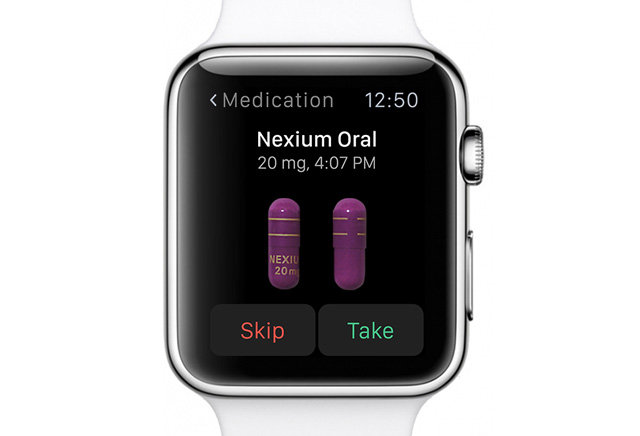
MD, John Torous speaks profoundly on the great things technology can bring to health care, especially the everyday gadgets and wearables that link data straight back to their providers. Although “We’re still in the early days” of technology, there’s been progress that shows a promising future but while we’re still young in its capabilities we need to be mindful of the negative outcomes if we aren’t careful. Gadgets such as Apple watches and fit bits the apps they’re linked with are nice but they haven’t reached the point of rendering consistent accurate data that can supersede the data in our hands-on industry of healthcare.
 Cheba's Kingdom